Habits· 11 min read
How to Keep Your Brain Sharp: A Science-Backed Protocol
Keep your brain sharp at any age with science-backed habits covering exercise, sleep, nutrition, and more — here's the exact protocol.
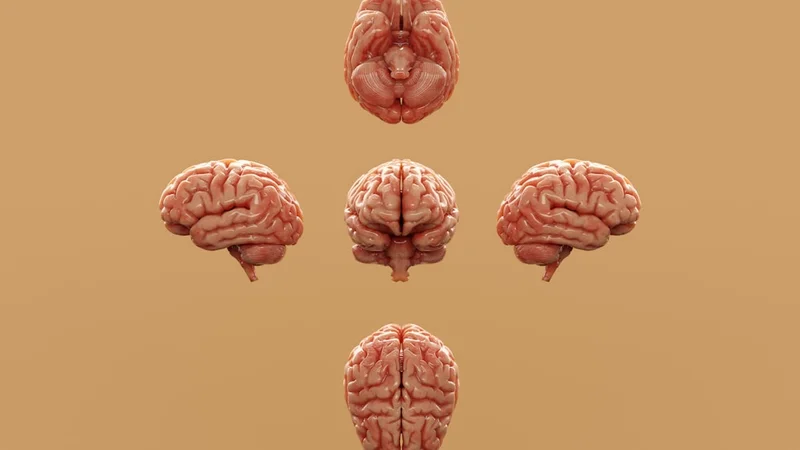
My Complete Brain Health Protocol: The Science-Backed Habits I Use Every Day to Stay Sharp
I didn't notice it happening. That's the thing nobody warns you about.
It wasn't some dramatic moment — no forgotten name at a meeting, no lost car key. It was subtler. A sentence that used to flow arriving three beats late. A feeling of reading the same paragraph twice and retaining nothing. A general thickness in my thinking that I'd been chalking up to stress, bad sleep, or "just being busy." Until one afternoon I read a single sentence in a neuroscience book that made me put it down and stare at the ceiling for a long time.
"The brain begins accumulating the conditions that lead to Alzheimer's disease twenty to thirty years before the first symptoms appear."
That's from Dr. Sanjay Gupta's Keep Sharp — and once you've read it, you can't really unread it. Because it means the time to protect your cognitive function isn't when you notice decline. It's now. Decades earlier. When everything still feels fine.
I'm not easily alarmed by health statistics. But this one stuck, because it reframed the entire question. Keeping your brain sharp isn't about preventing a future problem. It's about maintaining precision infrastructure — infrastructure every goal, every relationship, every decision you'll ever make runs on. If the hardware degrades quietly for twenty years while you're busy optimizing everything else, no habit system in the world saves you.
So I built a protocol. I read the research, field-tested the interventions, and cut what didn't work. What follows is exactly what I do — and exactly why the science supports it.
Why Your Brain Is Trainable at Any Age (And Why Most People Don't Use That)
The good news — and this genuinely is good news — is that your brain is not a fixed organ slowly wearing out. Neuroplasticity, the brain's documented capacity to form new neural connections in response to experience, doesn't switch off at 30, or 40, or 60. The research is unambiguous on this point.
What does happen is that plasticity becomes more conditional. It requires the right biological inputs. When those inputs are missing — the right movement, sleep quality, nutrition, and cognitive challenge — plasticity slows, and the brain defaults to maintenance mode rather than growth mode.
Most people are running a deprivation protocol without knowing it. Not enough aerobic exercise. Chronically fragmented sleep. Nutritional gaps in the specific nutrients the brain preferentially uses. And a daily routine that rarely asks the brain to do anything genuinely new or difficult.
Jim Rohn used to say that neglect is as powerful as action — it just works in the opposite direction. The brain doesn't stay static while you're not paying attention to it. It drifts. Slowly, and in one direction.
The strategies below aren't complex. Each one has a strong evidence base, and more importantly, they compound. The person who gets aerobic exercise, sleeps well, fills the right nutritional gaps, and keeps learning new skills isn't just doing four good things. They're activating a synergistic system where each input amplifies the others.
The Exercise Protocol: The Highest-ROI Habit for Cognitive Function
If you do nothing else from this article, do this: thirty minutes of aerobic exercise, four or five times per week.
That's not motivation poster advice. That's the conclusion of decades of neuroscience research, synthesized most accessibly by John Ratey, a Harvard psychiatrist, in a book called Spark. Ratey's thesis is that aerobic exercise is essentially fertilizer for the brain. Specifically, it triggers the production of BDNF — brain-derived neurotrophic factor — a protein that supports the growth, maintenance, and protection of neurons.
BDNF is sometimes called "Miracle-Gro for the brain," which sounds hyperbolic until you understand what it actually does: it strengthens existing neural connections, promotes the formation of new ones, and appears to protect against the kind of neurodegeneration that leads to Alzheimer's disease. Running, cycling, swimming, brisk walking — anything that gets your heart rate up for a sustained period triggers this cascade.
The hippocampus — the brain region most directly responsible for memory — physically grows with regular aerobic exercise. This isn't metaphorical. You can measure it on an MRI.
What this looks like in practice for me: I run four mornings a week, 30-35 minutes at a comfortable pace. Not marathon training. Not HIIT circuits. Just enough sustained cardio to reliably elevate heart rate and, based on the literature, keep BDNF flowing. It's the single non-negotiable in the entire protocol.
If you're struggling to find a consistent routine, check out our guide on how to find an exercise routine you will actually stick to.
Sleep: Where Your Brain Does Its Real Maintenance Work
There is a mechanism in your brain called the glymphatic system. It's essentially a waste-clearance network that flushes out metabolic byproducts, including amyloid-beta proteins — the exact proteins that accumulate into the plaques associated with Alzheimer's disease.
Here's the critical detail: the glymphatic system is almost entirely inactive while you're awake. It operates primarily during deep sleep. Which means chronic sleep deprivation — even mild, sustained six-hour nights — isn't just making you tired. It's allowing waste to accumulate in your brain that deep sleep would normally clear.
Matthew Walker's research at UC Berkeley, described in his book Why We Sleep, puts it bluntly: insufficient sleep is one of the most significant modifiable risk factors for dementia. Not a correlation. A mechanism.
What I changed: I stopped treating sleep as a recovery variable I could compress when busy. I treat it as the nightly maintenance window for my most important piece of infrastructure. Seven to eight hours. Consistent bedtime and wake time (weekend included — social jet lag is real). A room that's genuinely dark and cool.
To track whether I'm actually getting the deep sleep that matters, I've used a sleep tracking device consistently for over a year. The data surprised me — I thought my sleep was fine. It wasn't. Seeing the breakdown between light, deep, and REM sleep made the invisible visible, and that changed my behavior.
One practical detail: alcohol decimates deep sleep quality, even in moderate amounts. The data is jarring if you look at it. A glass of wine might help you fall asleep faster and wreck the architecture of everything that follows. Worth knowing.
The Nutritional Gaps Quietly Costing You Cognitive Performance
Your brain accounts for roughly 2% of your body weight but consumes approximately 20% of your total energy. It is extraordinarily metabolically demanding — and specifically demanding about what it runs on.
The three nutritional gaps I see come up most consistently in the neuroscience literature:
Omega-3 fatty acids (specifically DHA): The brain is about 60% fat, and DHA — a long-chain omega-3 — is the primary structural component of neuronal membranes. Low DHA status is associated with faster cognitive decline, smaller brain volume, and impaired memory function. Most people eating a typical Western diet are chronically low. A high-quality fish oil supplement is one of the most well-researched, lowest-cost interventions available.
Vitamin D3: Functions as a neurosteroid — it directly regulates gene expression in the brain, influences the production of neurotransmitters, and has been linked in multiple studies to reduced dementia risk. Deficiency is extremely common, particularly in northern latitudes, and almost universally under-tested.
B vitamins (particularly B12, B6, and folate): Critical for homocysteine metabolism. Elevated homocysteine is an independent risk factor for cognitive decline and brain atrophy. B-vitamin supplementation has been shown in clinical trials to measurably slow the rate of brain volume loss in people with elevated homocysteine — particularly when omega-3 levels are also adequate.
David Perlmutter's Brain Maker and Lisa Mosconi's Brain Food are both worth reading for the full picture — they go deeper on the gut-brain axis and the way dietary patterns across decades shape cognitive trajectory. The short version: prioritize whole foods, minimize ultra-processed carbohydrates, and fill the specific gaps above.
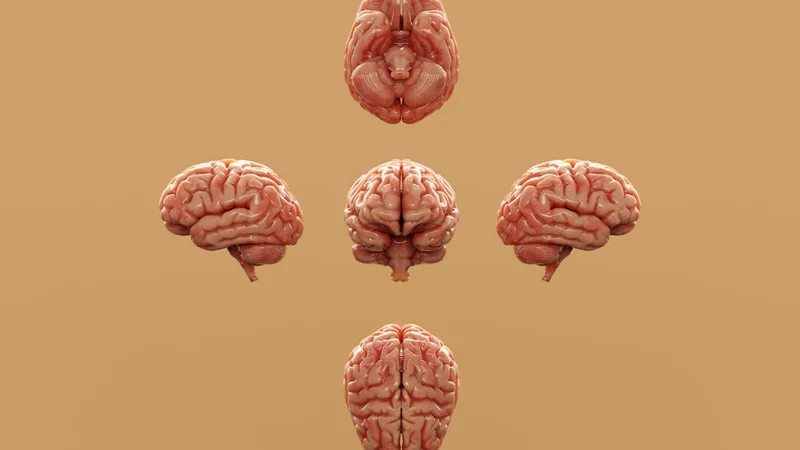
The Oral Health Angle Nobody Expects
This one surprises people. It surprised me.
There is now a substantial and growing body of research linking periodontal disease — chronic gum inflammation caused by bacterial infection — to increased risk of Alzheimer's disease and cognitive decline. A 2019 study in Science Advances identified Porphyromonas gingivalis (the primary pathogen in gum disease), in the brain tissue of Alzheimer's patients. The same bacteria. In the brain.
The mechanism appears to be systemic inflammation: chronic gum infections keep the immune system in a persistent low-grade inflammatory state that crosses into the brain via the bloodstream. Neuroinflammation is now understood as a central mechanism in neurodegeneration — not just a symptom of it.
This doesn't mean flossing cures Alzheimer's. But it does mean that treating your oral hygiene as cosmetic rather than as neurological maintenance is a mistake the evidence no longer supports.
What changed for me: an electric toothbrush and a water flosser — non-negotiables now. I use both daily. It takes four minutes. The research ROI on those four minutes is genuinely striking.
Cognitive Training: Doing Things Your Brain Finds Genuinely Hard
Here's the counterintuitive finding from the cognitive training research: crossword puzzles make you better at crossword puzzles. Sudoku makes you better at Sudoku. Neither transfers meaningfully to general cognitive function.
What does transfer is learning something genuinely new — something that requires your brain to build neural architecture it doesn't already have. A new language. A musical instrument. A discipline that combines physical and cognitive challenge (martial arts, dance, a complex sport). Writing, which forces the kind of sustained, high-fidelity thinking that most passive consumption doesn't.
The key variable is effortful novelty. Your brain adapts to challenges and then stops growing from them. The moment something becomes automatic, the neuroplastic response diminishes. So the protocol isn't about maintaining any specific activity — it's about consistently choosing the harder thing.
Social connection is also, genuinely, a form of cognitive training. Complex social environments — meaningful conversations, collaborative work, navigating the nuance of real relationships — are among the most demanding cognitive tasks humans perform. Social isolation is a documented dementia risk factor, and not a small one.
One supplement I've added to this phase of the protocol: Lion's Mane mushroom. There's real (if still early) human research suggesting it promotes nerve growth factor (NGF) production — a sister molecule to BDNF that supports the survival and maintenance of neurons. I take it daily and treat it as a plausible low-risk addition while the research matures.
How to Start Today: The 90-Day Brain Health Protocol
You don't need to overhaul your entire life. The research actually supports a sequential approach — introduce interventions one at a time so you can assess what's working. Here's how I'd sequence it:
Week 1-2: Lock in exercise. Thirty minutes of aerobic exercise, four times this week. Walk if you haven't run in years. The point is elevated heart rate and consistency, not performance.
Week 3-4: Audit your sleep. Pick a bedtime and a wake time. Keep both on weekends. Make your room darker than you think you need. If you're not tracking sleep already, start — you'll be surprised what the data shows you.
Week 5-6: Fill the nutritional gaps. Get a high-quality omega-3. Add D3. If you're eating a standard Western diet, assume deficiency and supplement accordingly. If you want precision, get bloodwork done — it's worth knowing your actual baseline.
Week 7-8: Fix oral hygiene. Electric toothbrush. Water flosser. Daily. Non-negotiable given what the research says.
Week 9-12: Add cognitive challenge. Pick one thing that genuinely makes your brain work hard — something new, something you're bad at, something that resists automation. Commit to thirty days. Notice what happens.
Track how you feel across these ninety days. Not just cognitively — mood, focus, word retrieval, the sense of mental fluency you probably stopped noticing when it started declining. You'll have data. Data changes behavior in a way that good intentions don't.
Here's the argument I keep returning to: everything you're building — your habits, your work, your relationships, your financial life, your sense of purpose — runs on a single piece of hardware. One that degrades silently, over decades, in ways that won't become obvious until the damage is already substantial.
Designing your evolution isn't only about the strategic layer. It's about protecting the biological substrate that makes strategy possible. Your brain is not a passive participant in your life. It's the medium through which every ambition you've ever had has to pass.
The protocol I've described isn't complicated. It doesn't require a significant time investment — probably an hour a day, total, when you account for exercise, sleep optimization, and a few minutes of supplementation. What it requires is treating cognitive maintenance as non-negotiable rather than optional.
Bob Proctor used to say that most people have a success thermostat set too low. I think most people also have a health thermostat set too low — they're aiming for "not sick" rather than "optimized." Your brain deserves better than that.
What would your life look like if your cognitive function at 60 was sharper than it was at 40? That's not a fantasy — it's a documented outcome of the habits above, maintained consistently. The only question is whether you'll start now or wait for symptoms.
What's the one intervention from this list you're most likely to actually begin this week? I'd genuinely like to know — drop it in the comments below.
Sources & further reading:
- Gupta, S. (2021). Keep Sharp: Build a Better Brain at Any Age. Simon & Schuster.
- Ratey, J. J. (2008). Spark: The Revolutionary New Science of Exercise and the Brain. Little, Brown and Company.
- Walker, M. (2017). Why We Sleep: Unlocking the Power of Sleep and Dreams. Scribner.
- Perlmutter, D. (2015). Brain Maker: The Power of Gut Microbes to Heal and Protect Your Brain for Life. Little, Brown and Company.
- Dominy, S. S. et al. (2019). Porphyromonas gingivalis in Alzheimer's disease brains: Evidence for disease causation and treatment with small-molecule inhibitors. Science Advances. https://www.science.org/doi/10.1126/sciadv.aau3333
- Smith, A. D. et al. (2010). Homocysteine-Lowering by B Vitamins Slows the Rate of Accelerated Brain Atrophy in Mild Cognitive Impairment. PLOS ONE. https://doi.org/10.1371/journal.pone.0012244
Tools mentioned in this article
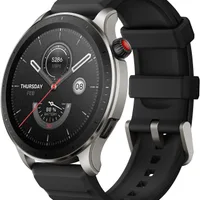
Amazfit GTR 4 Smart Watch
If you want to know whether your aerobic sessions are actually hitting the heart-rate zones the BDNF research describes, you need data. A reliable HR tracker turns running by feel into running by signal — and the same…
As an Amazon Associate, we earn from qualifying purchases — at no extra cost to you.
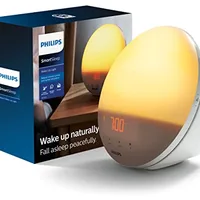
Philips SmartSleep Wake-Up Light HF3520
Sleep architecture isn't only about how you fall asleep — it's also about how you wake. A jarring alarm fires cortisol straight into a brain that's still in deep-sleep clearance mode. Sunrise-simulation waking is gent…
As an Amazon Associate, we earn from qualifying purchases — at no extra cost to you.
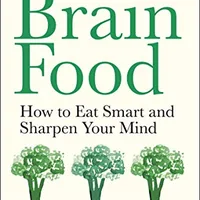
Brain Food: How to Eat Smart and Sharpen Your Mind — Dr Lisa Mosconi
Lisa Mosconi is one of the few researchers with credentials in both neuroscience and clinical nutrition. Brain Food is the deepest accessible reference for the specific dietary patterns — DHA-rich fish, leafy greens,…
As an Amazon Associate, we earn from qualifying purchases — at no extra cost to you.

HidrateSpark PRO Smart Water Bottle
Your brain is roughly 75% water and consumes 20% of your total energy. Mild chronic dehydration measurably degrades attention, processing speed, and short-term memory — and it's the most invisible nutritional gap on t…
As an Amazon Associate, we earn from qualifying purchases — at no extra cost to you.

Keep Sharp: Build a Better Brain at Any Age — Dr Sanjay Gupta
This is the book whose opening sentence reframed the entire question for me. Gupta is a practicing neurosurgeon, and Keep Sharp is the most accessible synthesis of where the cognitive-longevity research currently sits…
As an Amazon Associate, we earn from qualifying purchases — at no extra cost to you.

Kindle Paperwhite (12th Generation, 2024)
Reading is the cognitive training discipline with the lowest activation cost and the deepest evidence base. If you're going to commit to ninety days of building new neural architecture, the device that removes frictio…
As an Amazon Associate, we earn from qualifying purchases — at no extra cost to you.
Was this helpful?