Insights on habits, mindset, and intentional living.
We overrate how much one thing will change our happiness. What focusing-illusion research shows and how to test a goal before chasing it.
Research on psychological detachment shows why stress follows you home, and how a simple evening shutdown routine helps you actually recover.
Research suggests how you think about stress shapes how your body handles it. What the stress-mindset studies show, their limits, and a test to try.
Taking things personally is partly a thinking error. What attribution research says about other people's behavior, plus a 3-question check.
Why do we wear busyness like a badge? Research on status and time offers a simple audit to tell real progress from performed productivity.
Research shows watching a skill again and again can make you feel capable without actually learning it. Here's how to turn watching into doing.
Sedikides and Wildschut found nostalgia boosts mood, meaning, and social connection — not mere sentimentality. Here's the science and how to use it.
Dai, Milkman & Riis proved temporal landmarks like September spike motivation measurably. Here's the real science — and how to use it.
Shifting to an observer vantage point on your feelings reduces their intensity. The science of self-distancing — and how to use it today.
Freeston and colleagues found it's not potential danger that drives chronic worry — it's intolerance of uncertainty. Here's what the 1994 research reveals.
Failures you couldn't escape train your brain to stop trying — even after the situation changes. Seligman and Maier's research and what it means for you.
Nolen-Hoeksema's 1991 study: dwelling on bad moods makes them last longer — not what you think, but how long you stay in the loop.
Labeling every bad feeling as 'stressed' predicts worse wellbeing, research shows. Here's the science of emotional granularity — and how to build it.
Tedeschi and Calhoun found that growth after adversity is real and measurable — distinct from resilience. Here's what their research actually shows.
Kasser and Ryan found organizing life around wealth predicts lower well-being than intrinsic goals, even controlling for income. What this means for you.
Naming an emotion precisely measurably calms your brain's threat response. Here's the real science of affect labeling — and how to use it today.
Behaviors spread through social networks three degrees out—to people you've never met. Christakis and Fowler's research on social contagion, explained.
Why new skills make you feel dumb first: Fitts & Posner's three-stage model explains why clumsy is normal. Science-backed guide to skill acquisition.
Snap judgments carry real signal in specific domains. Ambady & Rosenthal's thin-slicing research shows when to trust your quick reads and when to pause.
We treat paper cuts but ignore rejection and failure. Here's the science of emotional hygiene — and what to do about psychological wounds.
Rotter's 1966 research: an internal locus of control predicts better coping — even when you can't change a thing. Here's what the science shows.
The Still Face Experiment: why infants destabilize in seconds when a caregiver goes blank, and what Tronick's 1978 research reveals about adult life.
People lie measurably more when trying to impress — often without noticing. Here's what Feldman's landmark 2002 study found, and what to do about it.
Markus and Nurius's research found imagining a vivid alternative self shapes real behavior change. Here's the real science of reinvention.
The winning bid almost always exceeds true value. Here's the science of the winner's curse — and what to do before your next competitive offer.
Wegner's white bear experiment proved suppressing a thought makes it intrude more. Here's the real science of ironic process theory and what to do instead.
Why does a tiny delay spike your mood for minutes? Maister's 1985 research pinpointed 3 psychological factors that make waits feel bigger than they are.
Nisbett and Wilson's 1977 research found people confidently invent reasons they don't actually have access to. Here's the real science of confabulation.
A 2011 PNAS study found judges granted parole 65% at session start—near zero by the end. Here's what that means for your morning habits.
Research shows self-compassion, not self-esteem, builds real resilience. Kristin Neff's three-part framework tells you why harsh self-talk backfires.
Grossmann and Kross proved we reason wiser about others' problems than our own. Here's the science of Solomon's Paradox — and how to close the gap.
Trope and Liberman's construal level theory explains why distant goals look deceptively simple — and what you can do before the obstacles appear.
Boice's 1983 research found brief, regular writing sessions produce more creative ideas than waiting for inspiration. Here's the science.
C. Northcote Parkinson found work reliably expands to fill all available time. Here's the science behind deadlines — and how to use it to finish faster.
B.F. Skinner's 1957 research found unpredictable rewards produce the most persistent behavior. Here's what that means for every habit you can't quit.
Your brain rates high-effort work as higher quality — even when effort and quality have nothing to do with each other. Here's the science and the fix.
Two people witness the same event and walk out with different stories. The 1954 Hastorf-Cantril study explains why — and what to do about it.
Stanford's James Gross proved that reinterpreting a situation — before the emotion fully forms — measurably shifts what you feel. Here's the real science.
ACT research found that fighting unwanted feelings — called experiential avoidance — makes them worse. Here's what actually works instead.
Gottman's Love Maps research: couples who know each other's current inner world show stronger relationship stability. What the Love Lab data found.
Thorndike's 1920 research found one favorable impression bleeds into unrelated judgments. Here's the real science behind why fame skews perceived quality.
Csikszentmihalyi spent decades finding what produces flow state. Here's the structural answer — not motivation tips, but conditions you can actually build.
Bandura's 1977 research: belief in your own ability — not skill — predicts whether you start, persist, and follow through. Here's how to build that belief.
Batson's 1997 research found imagining how someone else actually feels, not how you'd feel, measurably reduces snap judgments and raises genuine empathy.
Gabriele Oettingen's research found picturing success alone can quietly undermine your drive. Here's the science of mental contrasting and the WOOP method.
Replacing 'I' with your own name in self-talk measurably lowers stress — Kross's 2014 research explained in plain language.
Chronic pressure builds physiological damage even when you feel fine. Allostatic load research explains the hidden cost — and how to reduce it.
Expert decision-makers skip comparing options — they pattern-match. Gary Klein's Recognition-Primed Decision research reveals why fast expertise wins.
Mosier and Skitka's 1996 study found people follow wrong AI suggestions over their own correct judgment. Here's the real science of automation bias.
Bargh and Chartrand's research found much of daily behavior happens automatically, without conscious choice. Here's the real science — not the hype.
Eisenberger and Lieberman's fMRI study found rejection activates the same brain region as physical pain. Learn the neuroscience — and how to recover.
Dijksterhuis's 2006 Science study: unconscious processing beats deliberate analysis for complex choices. The real science of strategic waiting.
Most couples slide into commitment instead of deciding. Stanley's 2006 research shows what that costs — and how to choose deliberately instead.
Bowen's family systems research explains why seeing a family pattern for the first time reduces its grip — and how to start differentiating yourself.
98% of children test at genius-level creativity. Only 2% of adults do. George Land's 1968 NASA study reveals the exact cause — and what you can do.
Pennebaker's research found structured writing measurably lowers distress. Here's the real science of why writing calms a racing mind — and how to start.
Wrzesniewski and Dutton's 2001 research: meaning at work comes from redesigning tasks, relationships, and framing — not your title. Here's how.
Tedeschi and Calhoun's research found real, measurable growth often follows a diagnosis or crisis. Here's the actual science, not toxic positivity.
Guang Yue's 1992 study found imagined contractions built real strength. But the brain isn't fully fooled. Here's what visualization science shows.
Calm presence measurably quiets the brain's threat response during a panic attack — and the effect scales with trust. What Coan's 2006 study found.
Festinger proved we compare automatically. Collins found why upward comparison sometimes motivates, sometimes drains. The deciding variable explained.
Ethan Kross found that using your own name instead of 'I' reduces emotional intensity and stress mid-storm — measurably, in real time.
Masahiro Mori's 1970 uncanny valley research shows why near-human imitations feel wrong. The science — and why it matters more now than ever.
Researchers found we pick urgent tasks over important ones — even knowing better. Here's the science of urgency bias and how to outsmart it.
Wendy Wood's research shows 43% of daily behavior is habitual. Habits run on context, not willpower — here's the design approach that actually works.
A 2011 study of 1,100 parole rulings shows how morning decisions drain the same cognitive resource your deep work needs. Here's how to protect it.
When information is nearly free, attention becomes your scarcest resource. Here's the science — and how to run your own attention audit.
Leon Festinger's 1957 research found we reshape beliefs to match our actions, not the other way around. Here's the real science of cognitive dissonance.
Kristin Neff's research shows self-compassion outperforms self-esteem for resilience — without making you complacent. The 3-part framework, explained.
Feel 'behind' in life? Neugarten's social clock research shows it's an invisible cultural timetable — not anything actually wrong with you.
Prochaska and DiClemente's Stages of Change research shows real progress happens in invisible internal stages before any visible action. The science.
Repeated deviations become invisible. Vaughan's Challenger research explains normalization of deviance — and how to catch it in your daily life.
Reis's responsiveness research found feeling understood predicts relationship quality more than mutual understanding does. Here's the real science.
Same job, same pay, completely different outcomes. Wrzesniewski's 1997 research explains why your work orientation shapes your burnout risk.
Bolger's 2000 study found the most effective support is often support the recipient never notices as support. Here's the real science of invisible support.
Peter Gollwitzer's research found a simple if-then sentence doubles or triples follow-through on goals. Here's the science of implementation intentions.
Dan Kahan's Yale research: higher analytical skill increases polarization on identity-linked topics. Here's how identity-protective cognition works.
Deci and Ryan's research found controlling environments kill motivation and loyalty. Here's the science of autonomy — and why free agents stay longer.
Seligman found how you explain a setback predicts your recovery more than the event itself. Learn the three dimensions and the disputation technique.
The harder you fight a feeling, the louder it gets. ACT research by Hayes et al. reveals why suppression backfires — and the technique that actually works.
A 1994 study found regret over inaction grows with time while regret over action fades. Here's the research on which choices will actually haunt you later.
Ellen Langer's 1975 lottery-ticket study found people overestimate control over pure chance. Here's the research — and why letting go actually helps.
Rumination makes overthinking feel productive but actively worsens mood. Nolen-Hoeksema's research explains why — and what breaks the loop.
Stanford psychologist Laura Carstensen found that perceived time horizon — not age — decides which goals feel real. Here's what that means for yours.
Schwartz found maximizers make better decisions yet report less happiness. Here's why satisficing beats optimizing — and how to use it.
Hazan and Shaver's research explains why your earliest bonds silently script who feels like love. Here's the science — and how to rewrite the pattern.
Robin Stern's research on gaslighting explains why you start doubting what you clearly remember — and how to rebuild trust in your own perception.
Research on confabulation reveals your brain invents facts to justify feelings it already has. Here's the reasoning-after-feeling loop, explained.
A 2023 Stanford RCT found cyclic sighing outperforms mindfulness meditation for mood in 5 minutes daily. Here's the double-inhale method.
The 2018 mere urgency effect study explains why urgent tasks always beat important ones — even when you know better. Here's the science and the fix.
The 1968 Oak School study proved that expectations change real performance via four behavioral channels. Learn the science — and what to do about it.
Csikszentmihalyi's research on flow state reveals boredom and anxiety as calibration data, not character flaws. Here's how to build focus on demand.
Poka-yoke proves error-proofing beats willpower. Redesign your environment — backed by Norman, Shingo, and Reason — so failure is the harder path.
Forcing yourself to 'stay positive' can backfire, research shows. Here's what emotional acceptance does better — and why it isn't about faking happiness.
Your brain files memories during sleep, not while you study. Walker's research reveals what all-nighters actually cost — and what to do instead.
John Gottman's 40-year study of couples found one behavior predicts divorce with 90% accuracy. Here's what it is — and the antidote that actually works.
Pete Walker's fawn response is the fourth trauma survival pattern—not a personality trait. Learn to tell genuine care from automatic fear.
Play isn't optional — it's a biological drive. Stuart Brown's 6,000-case study links play deprivation to violence, depression, and lost creativity.
Why you perform worse when it matters — and what performance psychology reveals about stopping it. Tim Gallwey's Inner Game science explained.
Mihaly Csikszentmihalyi's 30-year research identified 9 conditions that produce flow. Steven Kotler's 4% challenge rule shows how to engineer them daily.
Richard Tedeschi's research shows post-traumatic growth can produce measurable change in 5 domains after adversity — if you process it the right way.
A 2013 Duke study found silence grows hippocampal neurons. The auditory neuroscience of quiet explains why your brain needs stillness — not just sleep.
Simon Sinek shows finite-game thinking kills long-term motivation. Here's the science of infinite-game mindset — purpose, worthy rivals, and lasting drive.
Approval-seeking isn't a flaw — it's hardwired survival software. Here's why their validation never sticks, and what to build instead.
Your brain defaults to adding, not removing. Leidy Klotz's Nature research explains why life keeps getting complicated — and what to do instead.
Struggling to focus until things are tidy? Science reveals why your need for order is an anxiety strategy — and what to actually do about it.
Not laziness — procrastination is an emotion regulation problem. 30 years of research explain the 3 psychological traps behind delay and how to break them.
The harder you fight your emotions, the stronger they get. Psychology research on emotional suppression, the second arrow, and radical acceptance.
You haven't peaked yet — and the science agrees. Karlgaard, Galenson, and Simonton show why most consequential contributions happen after 40.
It's not uncertainty that causes anxiety — it's your intolerance of it. Three clinical tools to stop the spiral and wait with less suffering.
We ranked 8 habit books by scientific rigor, protocol specificity, and real-world use. Find out which one fits your situation — and what each is missing.
ACT research links experiential avoidance to 4 everyday habits that quietly keep you stuck. What they are, why they work, and how to break them.
Memory research shows we don't replay the past accurately — we reconstruct it. And the person you're really grieving after a breakup might be yourself.
Rotter's locus of control research shows your explanatory style predicts outcomes more than circumstances. Here's how to shift from victim to agent.
Paul Zak's oxytocin research and Uri Hasson's neural coupling studies explain why storytelling persuades when logic fails — and what to do about it.
Aaron Beck identified cognitive distortions. But Jeffrey Young's schema research reveals the deeper code beneath them — and how to finally update it.
Naomi Eisenberger's fMRI scans prove social rejection fires the same brain region as physical pain. Here's what the neuroscience means for you.
Tim Pychyl's research proves procrastination is emotional avoidance, not a time management failure. Here's how to rewire the cycle at the root.
We compared 8 science-backed books on learning faster — Peak, Make It Stick, Ultralearning and more. See which one fits where you are right now.
Benjamin Bloom's 1984 study proved mastery-based learning outperforms conventional methods by 2 sigma. Here's what that means for how you learn anything.
Neuroplasticity research reveals how to rewire your brain for resilience in four evidence-based steps — backed by Merzenich, Walker, and Swart.
70% of high achievers secretly fear being exposed as fakes. Here's the 1978 research that named this pattern — and three mental traps keeping them stuck.
Locus of control research reveals why victim thinking feels accurate — and how to shift to ownership in 5 concrete steps. Backed by Rotter, Seligman & Frankl.
Jim Loehr's research on elite athletes shows energy — not time — is the real performance currency. Here's the four-dimension framework that works.
Playing the victim keeps you stuck — and Rotter's research shows why. Here's the psychology of the ownership mindset shift that changes everything.
Social isolation rivals 15 cigarettes a day in mortality risk. Here's what 85 years of Harvard data reveal about social connection as a health habit.
Loneliness kills — literally. A 148-study meta-analysis found social isolation is as deadly as smoking 15 cigarettes a day. Here's what the science says.
Your brain stores experiences by peak moment and ending, not duration. Here's what Kahneman's peak-end rule reveals about habits and daily design.
Your brain ignores how long an experience lasts — it only remembers the peak and the ending. Kahneman's peak-end rule reveals how to design habits that actually stick.
The ACT framework that predicts wellbeing better than positive thinking alone. Steven Hayes's research — and five practical exercises to start today.
Social comparison is hardwired in your brain. Here's what Festinger's theory and 70 years of research reveal about breaking the compare-and-despair loop.
Your brain runs social comparison automatically — dozens of times daily. What 70 years of research reveals about the triggers rewiring your self-image.
Social comparison is hardwired — Festinger proved it in 1954. Here's what 70 years of research reveals actually changes the pattern.
Comparing yourself is automatic — your brain was built for it. Here's what 70 years of social comparison research reveals about changing the loop.
Social comparison theory explains why scrolling leaves you feeling behind. Here's what 70 years of research reveals—and the one switch that actually works.
Every time you switch tasks, your brain stays behind. Attention residue is the hidden cognitive cost — and Leroy's 2009 research points to a 60-second fix.
You hit the goal. Now what? The arrival fallacy explains why peak achievement feels hollow — and what science says about lasting fulfillment.
Motivation follows action, not the other way around. William James discovered this in 1884 — here's the science-backed method to break inertia today.
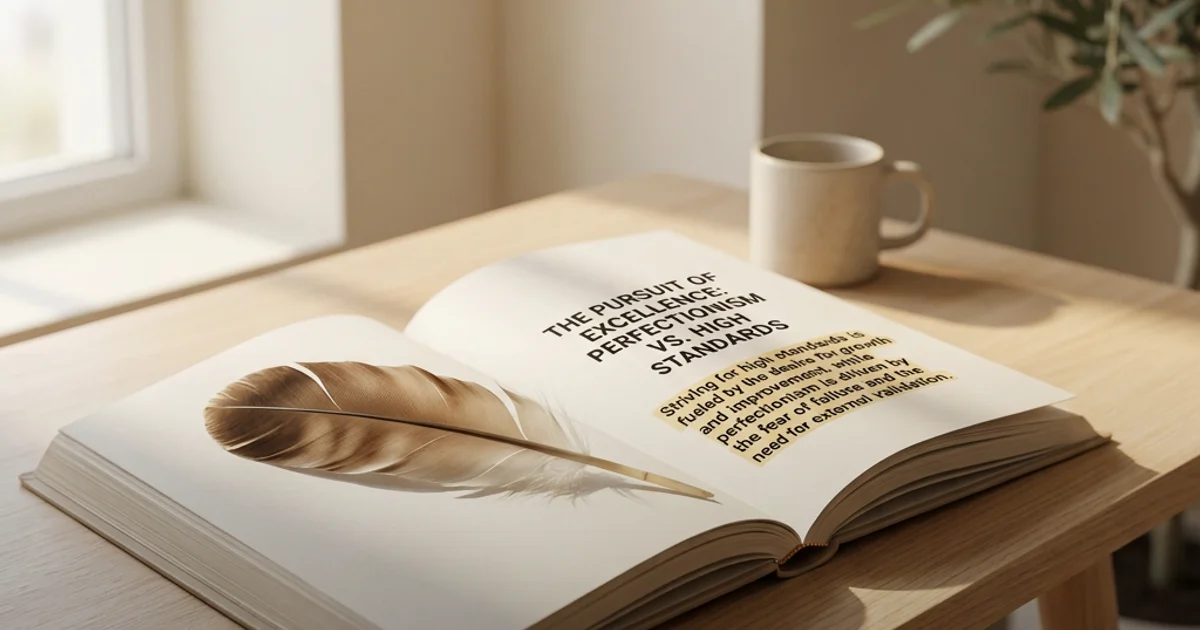
Not all perfectionism is the same. Discover which type drives excellence and which causes chronic paralysis — based on 30+ years of psychology research.
Autonomy, competence, relatedness: the three needs that drive lasting motivation. What 40 years of Deci & Ryan's research reveals.
Monday motivation is real science, not wishful thinking. Here's the Sunday reset ritual — and every tool I use — to capture that fresh-start energy.
70% of high achievers feel like impostors. Here's what Clance and Imes' research reveals about why — and what actually helps.
You forget 70% of new information within a week. Ebbinghaus proved it in 1885. Here's the science of retention and how to actually fix it.
When life becomes suddenly unstable, willpower isn't enough. Here's what uncertainty tolerance science reveals about finding your footing fast.
Sony XM5, Bose QC Ultra, or AirPods Max? The 7 best noise-canceling headphones of 2026 for focus and deep work — ranked honestly.
Gottman can predict divorce with 93.6% accuracy from a 15-minute conversation. Here's what communication science reveals about being truly heard.
Charlie Munger called it a latticework of models. The mental models that sharpen your thinking — and how to apply them to your own decisions.
We rank the 7 best fitness trackers of 2026 on sleep accuracy, HRV, battery, and real 24-month cost. Find the right one for your goal.
ADHD is an executive function disorder, not a willpower problem. What neuroscience reveals about the ADHD brain — and how to design around it.
Anxious, avoidant, or secure? Your attachment style runs every close relationship you have. Here's what Bowlby's science says — and how to change it.
Adding a reward to something you love can quietly destroy it. Here's what Deci's research reveals about protecting the motivation that actually lasts.
There's no dramatic turning point. What the science of gradual transformation reveals about why ordinary daily choices compound into lasting change.
Your brain isn't broken — it's been designed against you. Here's what dopamine science reveals about digital compulsion and how to reclaim your attention.
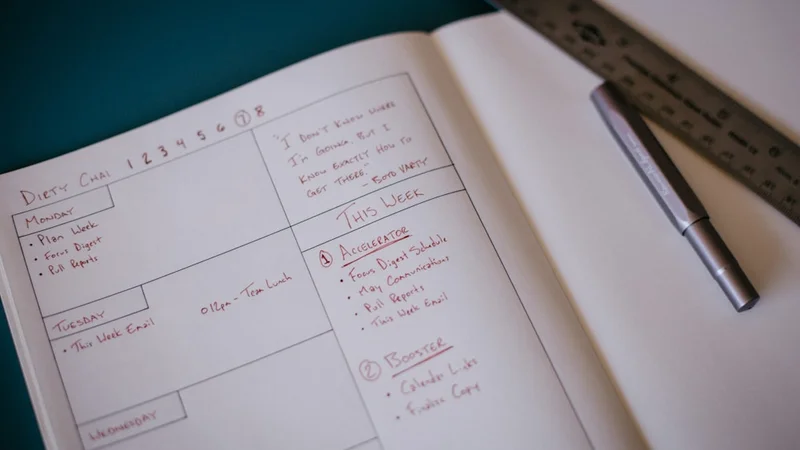
We ranked the 7 best productivity planners of 2026 by goal architecture, daily layout, and habit-building design — find the one for you.
Suppressing emotions backfires. Here's what 25 years of Stanford research reveals about cognitive reappraisal — the strategy that actually works.
Ego depletion was psychology's most-cited finding—until replication failed. Here's what science now says about self-control and what actually works.
8 weeks of meditation physically reshapes your brain — here's what the neuroscience actually reveals, and how to build a practice that works.
Regret is data, not damage. Daniel Pink's 16,000-person survey and Gilovich's research reveal four universal regrets — and how to use them.
Procrastination isn't a time management problem — it's emotional avoidance. Here's what the science says about why you delay and what actually works.
Flow isn't luck — it's an environment you design. Csikszentmihalyi's flow channel, Kotler's four-stage cycle, and SDT science in one practical setup.
Perfectionism isn't high standards — it's fear wearing ambition's clothes. 40 years of research reveals its three faces and how to escape the trap.
Motivation isn't willpower — it's dopamine. Learn why your drive crashes and how reward prediction error science can help you rebuild it.
Most time management advice fails. Here's what research on Parkinson's Law, the planning fallacy, and timeboxing reveals about getting things done.
Burnout isn't just tiredness. It's a WHO-recognized syndrome with 3 measurable dimensions. Here's what Maslach's research reveals about real recovery.
Most habit journals fail you before you open them. Here are 7 that won't — and how to pick the right one for where you actually are.
Resilience is the default human response to adversity. Here's what Bonanno's 30-year research reveals about bouncing back — and how to build more of it.
Sleep is your most powerful cognitive tool — and you're probably misusing it. Walker's neuroscience reveals what actually happens when you sleep.
Consistency isn't a character trait — it's a system. Here's what behavioral science shows about why it breaks down and how to rebuild it.
Anxious, avoidant, secure — your attachment style shapes every relationship you have. Here's the science of adult attachment and how to actually change it.
Imposter syndrome isn't just self-doubt — psychology has mapped its exact patterns. Here's what causes it and what the research says works.
Self-sabotage isn't weakness — it's a survival pattern. Here's the psychology of why you undermine your own success and how to interrupt it for good.
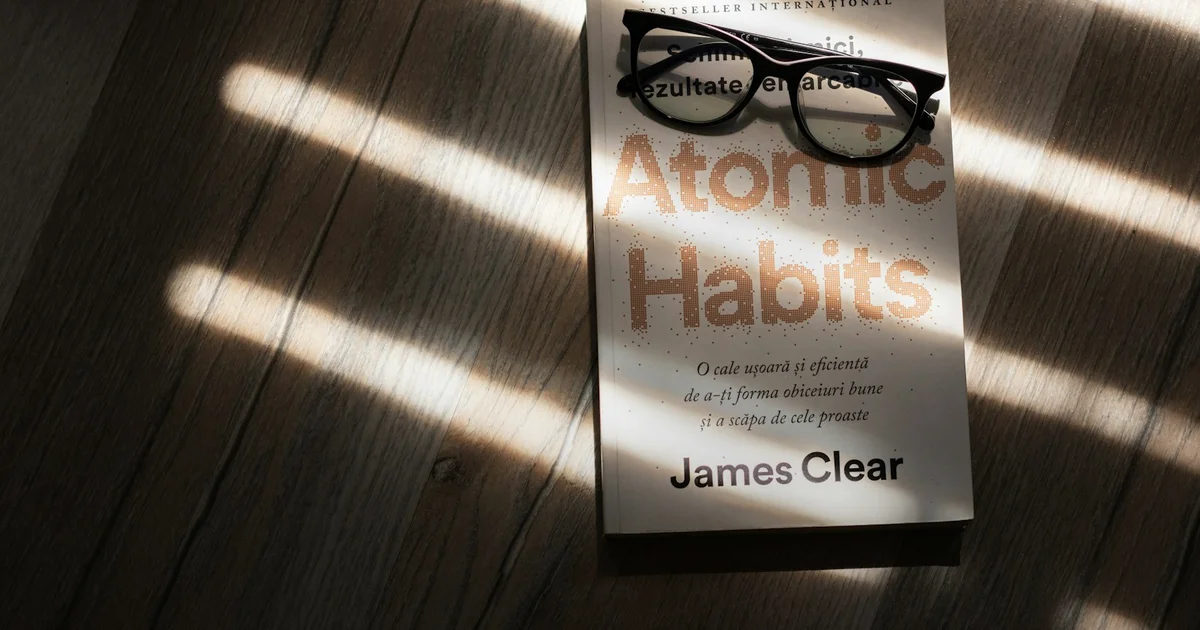
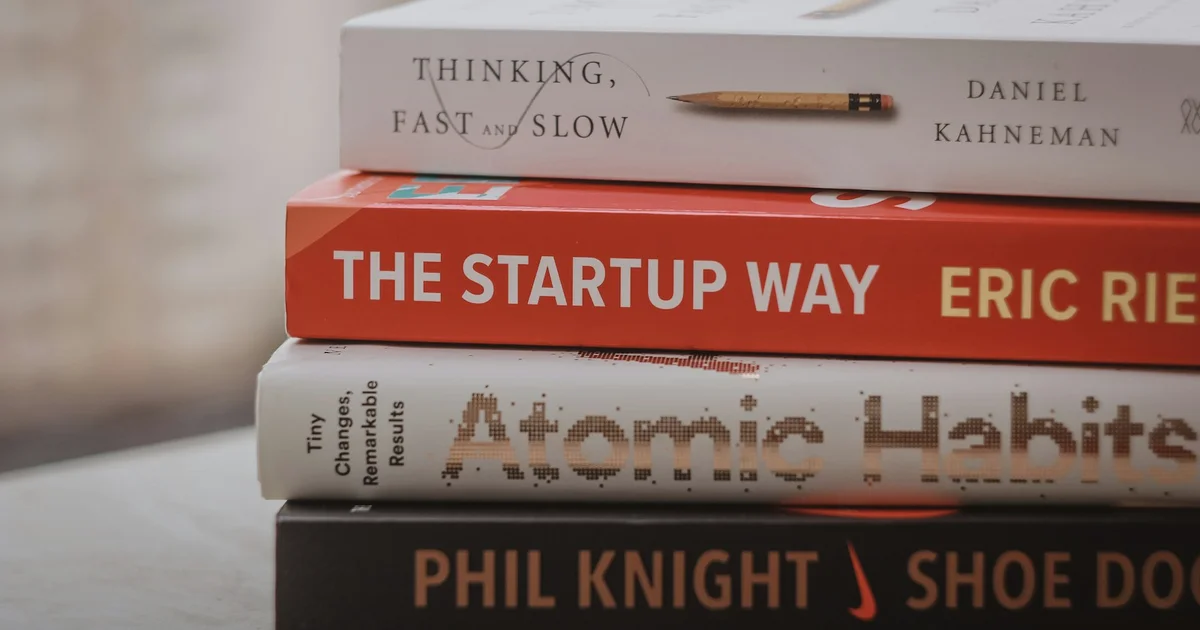
Atomic Habits, Tiny Habits, Power of Habit — which is right for you? Compare 6 top habit books and find the one that fits your situation.
Self-Determination Theory explains why motivation is inconsistent — and what 3 psychological needs you must satisfy for drive that lasts.
Research shows perfectionism is not high standards — it's a fear of evaluation that prevents action. Here's what 30 years of psychology reveals.
Most conflicts escalate because both sides forget the actual goal. Here's the strategic psychology of handling disagreements with clarity and skill.
Exercise's real superpower isn't your body — it's your brain. Here's what neuroscience shows about movement as the most evidence-backed mental health tool.
Stanford psychologist Alia Crum proved your belief about stress changes its biology. The stress mindset research — and how to actually use it.
You forget 70% of what you read within 24 hours. Cognitive science has actual solutions — and highlighting isn't one of them.
Comparison is a 70,000-year-old brain circuit, not a flaw. Here's what Festinger's social comparison theory reveals—and how to redirect it.
Purpose isn't found in a flash of inspiration — it's built. The research on meaning, ikigai, and wellbeing shows exactly how.
Procrastination isn't a time management problem — it's an emotion regulation problem. Here's the psychology research that changes how you actually fix it.
Grief isn't just sadness — it's a neurological state that rewires how you experience everything. Here's what the science shows about healing through loss.
Toxic relationships quietly erase who you are through gaslighting and coercive control. Here's the science of identity loss and how to find yourself again.
8 top fitness trackers and health wearables of 2026, ranked by HRV accuracy, sleep staging, and real behavior-change impact. Find the right one for you.
The negativity bias isn't a character flaw — it's a survival circuit your brain never updated. Here's the science and the practical reset.
Millions of high-achievers secretly believe they don't deserve their success. The science explains why — and what actually resolves it long-term.
Journaling isn't a soft self-care ritual — it's one of the most researched cognitive interventions available. Here's what the science actually shows.
If love was conditional on your performance growing up, you're still paying that price. Here's the psychology of conditional worth — and how to unlearn it.
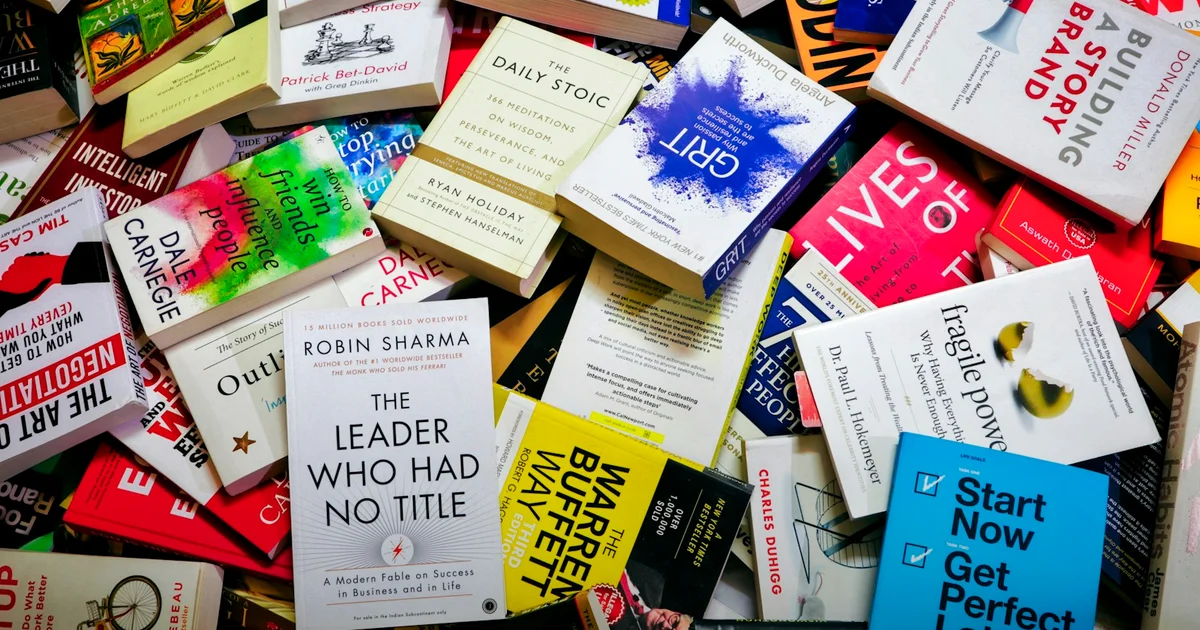
Not all self-help books are created equal. Here are 8 rigorously selected, science-backed personal development books that actually deliver in 2026.
The confidence that crumbles when things go wrong was never real confidence. Here's what psychology says about building the kind that actually lasts.
Sleep isn't recovery time — it's when your brain consolidates memory, resets decisions, and processes emotion. Here's what the science actually prescribes.
An Olympic coach turned a 3-lb lift into 170. Here's the science of micro-progressions and how to apply them to any goal you're chasing.
Carrots and sticks work — briefly. Here's the science of intrinsic motivation and why it outlasts every reward system you've ever tried.
Vague goals don't fail because you lack discipline — they fail because of how they're built. Here's what goal-setting science actually prescribes.
The right journal makes the difference between habits that stick and ones that fade. Compare 5 top personal growth journals for 2026 before you buy.
Being harder on yourself than on a friend isn't high standards — it's a proven obstacle to growth. Here's what 20 years of research shows.
Overthinking isn't a discipline problem — it's a loop your brain runs automatically. Here's what 30 years of rumination science says about breaking it.
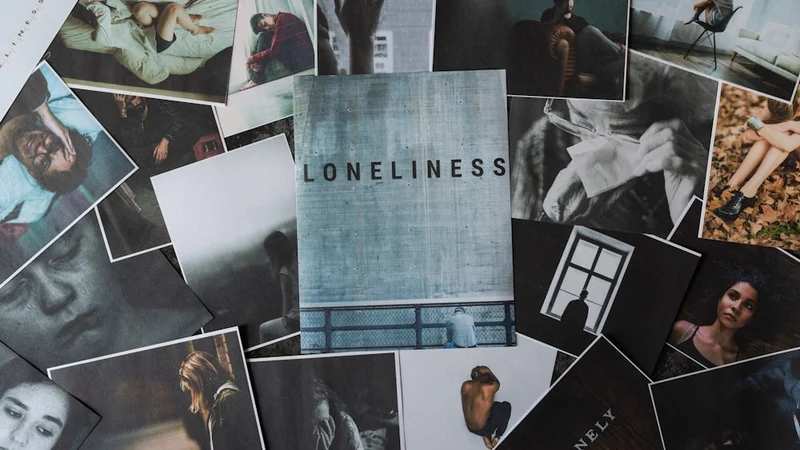
Chronic loneliness raises mortality risk by 26%. Harvard's 85-year study reveals why it hurts — and what actually helps you reconnect.
Clutter isn't just messy — it's cognitively expensive. Here's what the science says about outer order, inner calm, and how to reclaim your focus.
Rejection activates the same brain regions as physical pain. Here's why it hurts so much — and what the psychology says about keeping your drive intact.
Perfectionism masquerades as high standards. Here's what research reveals about its real cost — and how to shift to healthy striving for good.
You already know you shouldn't personalize everything. Here's why you still do — and the science of what actually rewires the pattern for good.
Most habit-breaking attempts fail because they rely on willpower. Here's what neuroscience actually says about ending bad habits — and what to do instead.
You're not as rational as you think. Here are the most influential cognitive biases shaping your decisions daily — and how to think around them.
Boundaries aren't walls — they're maps. Here's the psychology of setting and holding limits that protect your energy and deepen every relationship.
Most morning routines fail within a week. Here's what behavioral science says about designing one that compounds into real daily transformation.
Deathbed regrets are surprisingly consistent. Here's what research on elder wisdom reveals — and how to apply it to design your life right now.
The science of gratitude is solid — most people just practice the weakest version of it. Here's what research actually shows works.
Willpower and to-do lists don't fix procrastination. Here's what the procrastination equation research says actually works — and why it's surprising.
Anger held long enough becomes resentment. Here's the psychology of releasing it — and the specific practices that actually work for good.
Happiness isn't luck — it's a set of practiced daily behaviors. Positive psychology reveals what genuinely happy people actually do each day.
Overthinking traps you in your own mind. Here's the neuroscience of rumination — and the specific daily practices that break the loop permanently.
Smart people make terrible decisions under pressure. Here's the neuroscience of high-stakes decision-making — and the practical system to get it right.
Most goals fail before February. Here's the evidence-backed SMART framework — and the neuroscience that explains why goal structure determines success.
Most sleep advice is generic. Here's what research actually shows about optimizing sleep quality — and the daily habits that make the biggest difference.
Most people's self-care doesn't actually restore them. Here's what psychological science says works — and how to build a real recovery system.
Your brain wasn't built to track 47 open loops. The brain dump clears that in 20 minutes. Here's the step-by-step method and the science behind it.
Obligations pile up quietly until they own you. Here's the science-backed approach to simplifying your life without losing what matters.
Anxiety affects 1 in 3 adults — but most management advice skips the science. Here's what research proves works for daily anxiety relief without pills.
Purpose isn't found — it's built. Here's how ikigai and Simon Sinek's WHY help you discover what actually drives you, step by step.
Confidence is built from four specific sources — and most popular advice targets the weakest. Here's the psychology that actually works.
Adapting to change is a trainable skill, not a personality trait. Here's the psychology behind change resistance — and three tools that actually work.
Emotional regulation isn't about feeling less — it's about responding skillfully. Learn the neuroscience and build it as a daily practice.
Continuous partial attention is costing you more than you realize. Here's the neuroscience of presence — and my practical system for actually showing up.
Most gratitude journals fail for the same four reasons. Here's what Robert Emmons' research actually shows — and the design that makes it work.
Most adults learn constantly and retain almost nothing. Here's the science of lifelong learning — and a daily system that makes every new skill stick.
Bad habits don't break through willpower — they break through design. Here's the neuroscience and a step-by-step system to rewire your routines.
Your breathing pattern affects your sleep, stress, focus, and athletic performance. Here's the science of breathwork and how to start practicing today.
Carol Dweck's research reveals fixed mindsets hit high achievers hardest. Here's why capable people plateau — and how to shift it.
Overthinking paralyzes you — it doesn't solve anything. Here's the neuroscience behind the loop and the exact toolkit to break it for good.
Burnout isn't just exhaustion — it's a full-system depletion. Here's the honest guide to what recovery actually looks like and how long it really takes.
Confidence isn't something you have or don't — it's something you build through specific actions. Here's the evidence-based method that actually works.
People-pleasing isn't a quirk — it's a survival response. Here's the psychology behind it and how to reclaim yourself without burning bridges.
Flow isn't luck — it's a state you can engineer deliberately. Learn what triggers flow, what kills it, and how to enter flow state on demand.
Smart, capable, accomplished — still convinced you don't deserve it. Here's the psychology of imposter syndrome and how to break the cycle.
Multitasking doesn't make you faster — it makes you worse. Here's the neuroscience behind monotasking and a single-task setup that actually works.
Your mind interprets reality through predictable errors. Here are the 10 cognitive distortions fueling your anxiety, self-doubt, and stagnation.
Your brain registers threats more strongly than wins. Here's the neuroscience of negativity bias — and how to compensate without faking positivity.
Comparing yourself to others feels natural but always backfires. Here's the psychology of social comparison — and how to compete with only one person.
Growth mindset isn't motivational fluff — neuroscience backs it. Here's what the research shows and how to genuinely build one as an adult.
Procrastination isn't a time management problem — it's an emotional regulation problem. Here's the psychology behind it and what actually works to stop it.
Hard work isn't enough if you're inside a broken system. These 3 behavioral patterns keep hard workers stuck — and here's how to escape them.
Self-sabotage isn't weakness — it's a protection mechanism your unconscious runs automatically. Identify your pattern and finally break free.
Getting 8 hours but still exhausted? Sleep science reveals why duration isn't enough — and the exact protocol to fix it tonight.
Overthinking keeps you stuck while life passes by. Here's the psychology behind rumination and a practical protocol to quiet the noise for good.
A second brain is a knowledge system that captures ideas before they evaporate. Here's the exact PKM setup I use — and how to start building yours.
Reading without retention is just entertainment. Here's the science-backed system that turns books into lasting knowledge you can actually apply.
Daily writing isn't just for writers — it sharpens thinking, upgrades decisions, and surfaces what you actually believe. Here's the 10-minute practice.
Social comparison is the fastest path to manufactured misery. Here's the psychology behind why you compare — and how to finally break the habit for good.
Hyper-independence often feels like strength — but it's a trauma response that blocks the growth, connection, and support you genuinely need.
Switching to nasal breathing is a free, research-backed upgrade for your sleep, stress, and focus. Here's what the science says — and how to start today.
Self-consciousness isn't a personality flaw — it's a learned habit. Here are evidence-backed strategies to stop living in your head and show up fully.
Excellence is rare because excuses are always available. Here's how people who consistently choose courage over comfort actually think and operate.
Keep your brain sharp at any age with science-backed habits covering exercise, sleep, nutrition, and more — here's the exact protocol.
Tested 5 top gratitude journals for 90 days. Here's which ones actually built the habit — and the science behind why daily gratitude works.
As AI commoditizes technical skills, EQ becomes the career edge machines can't replicate. Here's how to build emotional intelligence that actually sticks.
You're not choosing beliefs based on facts — you're choosing facts based on beliefs. Here's how confirmation bias quietly hijacks your judgment every day.
Taking things personally is a habit, not a flaw. Here are 6 evidence-backed ways to build emotional distance and react with more ease.
Self-limiting beliefs operate silently, shrinking what you pursue and who you become. Here's how to spot and dismantle the 10 most destructive ones.
You might be chasing someone else's dream without knowing it. Here's how to audit your goals for authentic alignment — not borrowed ambition.
People-pleasing is a survival pattern, not a character flaw. Here's the psychology behind it — and a 4-step process to rebuild self-trust.
Lost your drive? Science-backed strategies to reignite motivation when burnout or emptiness has drained your energy for the things that used to matter.
Counterintuitive research shows that embracing pessimism — not optimism — may be the most effective path to lasting happiness. Here's the science.
AI gives you frameworks and plans — but consistently fails at one thing that changes everything. Here's the coaching gap no algorithm can close.
Most people fear aging because they accepted someone else's story about it. Here's how to rewrite that story using psychology, role models, and deliberate design.
Gossip feels like connection but functions like a leak in your integrity. Here's why smart people do it — and what to replace it with.
Your second circle — the people your fans tell — matters more than any ad. Learn the science of word of mouth and how to engineer it.
The best exercise routine is the one built around your personality and real preferences — not someone else's. Here's how to find it.
Science shows self-imposed limits make you more creative, productive, and focused. Here's how to design constraints that actually work for your brain.
Your identity is the invisible ceiling on your growth. Here's the science of self-concept change — and 4 steps to expand beyond who you've always told yourself you are.
Before smartphones, couples built connection through 11 simple daily habits. They worked then. They work now. Here's how to bring them back.
Most decisions feel hard because your values are unclear. Identify your top 3 and life's biggest choices become dramatically simpler. Here's the exact process.
8 investing mistakes beginners make — the predictable, quiet reasons smart people lose money, and the simple system that removes every single one.
Brian Dean built a 4HWW life from his dad's basement to two sold companies. The real playbook: geoarbitrage, testing, automation, and what freedom costs.
The 'strong friend' quietly burns out. Here's why asking for help is the highest-trust act — and how to start without losing who you are.
Most people defer the self-investments that matter most. You don't need to be ready — here are 10 things worth starting today, imperfectly.
Regret is predictable. Research maps the same patterns. Here are 10 life choices most people delay — and why acting now is the highest-leverage move.
Unprocessed emotions don't disappear — they surface as headaches, gut issues, insomnia, and burnout. The science of emotional suppression, and how to stop.
When your mind is noisy, more thinking rarely helps — better questions do. 40 self-inquiry prompts to interrupt anxiety and restore clarity.
Affirmations often fail because the brain resists statements it doesn't believe. Lofty questions bypass that resistance — here's how to use them.
Giving activates the same brain circuits as receiving. The neuroscience behind kindness — and how to turn it into a daily compound habit.
Vision boards get dismissed as wishful thinking. Neuroscience says they work — if built right. Here's the evidence and method.
Tim Ferriss's Stoic exercise turns anxiety into actionable clarity. Here's how to define your worst-case scenario — and why doing it sets you free.
If a task takes less than one minute, do it now. This deceptively simple rule — backed by habit science — quietly transforms how much you get done daily.
Chasing approval isn't ambition — it's survival instinct on autopilot. Here's how to break the validation cycle and reclaim your scoreboard.
Motivation fades for diagnosable reasons, not character flaws. Five science-backed strategies to reignite your drive when nothing feels exciting.
Discover the limiting beliefs silently shaping your choices. A tested framework to identify, question, and break past the ceiling holding you back.
Goals tell you where to go. Purpose tells you why it matters. Learn the structural difference that turns achievement into lasting fulfillment.
Most people don't fail from big mistakes — they stall from three invisible daily patterns. Here's how to find and dismantle them.
Science-backed techniques to handle tantrums, label emotions, and build emotional resilience in children — without yelling or empty threats.
Forget the philosophy lecture. These five Stoic and Zen practices — used daily — create real calm, focus, and resilience in a noisy world.
Geroscience research reveals the six evidence-based behaviors that separate people who age well from those who don't — and they're simpler than you think.
Why emotional intelligence — empathy, resilience, self-awareness — is the one skill AI can't replicate, and how to build it deliberately.
Why your brain spirals at 3AM — the cortisol biology, the rumination loop, and the calm, practical tools that actually quiet nighttime anxiety.
Why high performers protect their time by declining more than they accept — a science-backed guide to strategic no's that free your best work.
Break free from chronic people-pleasing, reconnect with your own voice, and rebuild quiet self-trust — without becoming a jerk in the process.